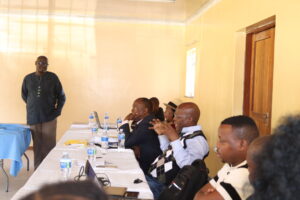
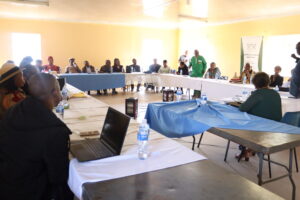
On September 11, 2026, at the Lesotho Girl Guides Association Hall in Maseru, Development for Peace Education (DPE) hosted a dialogue with Political Parties outside Parliament to discuss Lesotho’s National Reforms process. The meeting opened with welcome remarks from DPE Coordinator Valentine Mosoeu.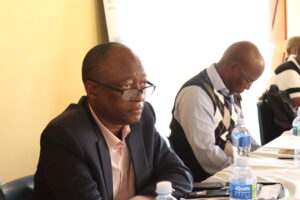

This meeting is part of a series with various stakeholder sectors, following a session with civil society. The focus was on implementing the 10th Constitutional Amendment. Parties outside Parliament were invited to discuss how the process was handled, noting that the government took control and turned it into its own project. The reform principle emphasizes inclusivity and public participation and is guided by six core principles.
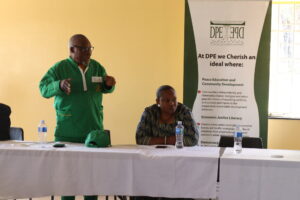
Valentine Mosoeu, DPE Coordinator, stressed that the National Reforms Process is not a political event but a national effort to shape the Lesotho we wish to pass on to future generations. He highlighted that, after enduring prolonged instability, frequent government changes, service failures, and lost hope among the youth, as well as constitutional gaps that have been exploited, it is crucial to focus on building a better future.
He also highlighted the importance of seeking peace, recalling that DPE demonstrated how dialogue can be more effective than violence. Political parties have a duty to reduce hate speech and misinformation among supporters on social media. Let’s prioritize discussing ideas over personal attacks.
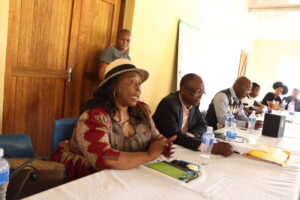
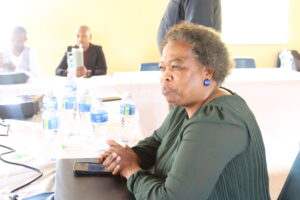
Ms. Kholu Tsúmane, speaking on behalf of the CSOs, emphasized five crucial points for the National Reforms Process. Firstly, it’s essential to include all voices—youth, women, and marginalized groups—to enhance the effectiveness of reforms in Lesotho. Secondly, civic education should be easily accessible, utilizing simple language through radio broadcasts and pamphlets in people’s native languages to ensure understanding. Thirdly, media platforms like radio, WhatsApp, Facebook, and newspapers must promote peaceful advocacy while steering clear of propaganda. Finally, the focus should be on fostering peace and tolerance, with political and CSO leaders playing a role in encouraging dialogue.
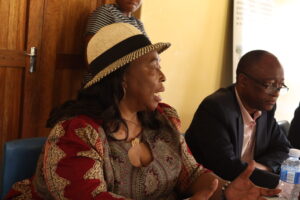
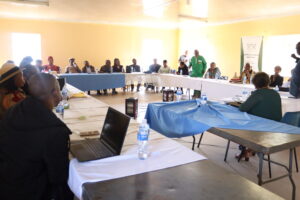
Ms. Keketso Rantsó, speaking on behalf of parties outside Parliament, proposed establishing a formal inclusion framework: a permanent consultative forum for these parties and the DPE on the reform process. She emphasized transparency by requesting access to all draft reform bills and documents 14 days before public consultations. To promote decentralization, she suggested holding reform dialogues across all 10 districts, not just Maseru, using community radio and digital libraries. Finally, she called for a Post-Reform Commitment, in which all parties agree to respect the reform outcomes and collaborate during implementation.